
Most people pick a puppy the same way they pick a paint colour. Something catches their eye, and that’s it (hint: it’s usually the coat). And it’s easy to see why.
Puppies are bred to be irresistible. They are gorgeous, and a chocolate coat or an apricot fleece is easy to fall in love with at first glance. But looks aren’t everything when choosing a puppy.
This article covers how temperament testing works, why it gives families a far better guide, and what to look for when choosing a puppy that suits your household. By the end, you’ll have a clear picture of what to ask your breeder and why personality beats colour every time.
Oodle Pups puts a lot of thought into matching each pup with the right family. Let’s walk through what temperament testing involves.
What Is Puppy Temperament Testing?
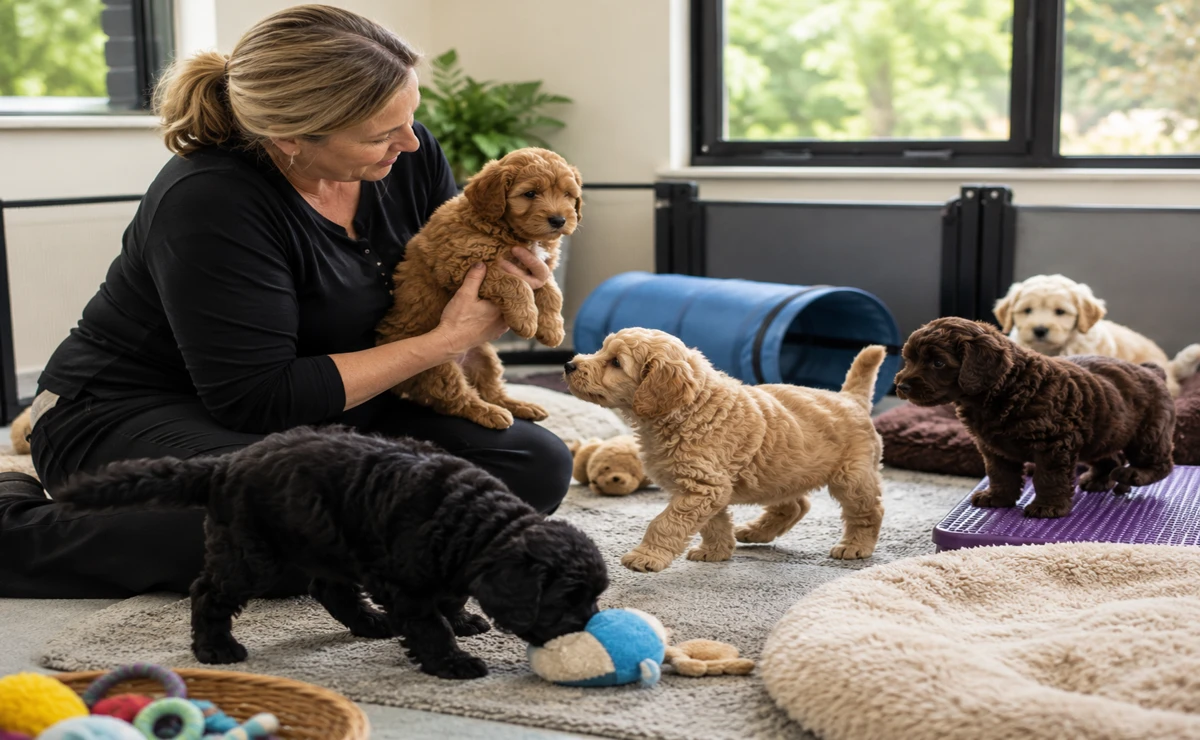
Puppy temperament testing is a structured process where a breeder observes how each pup in a litter responds to handling, new situations, and mild stress. It usually happens around 40 to 50 days old, which is when a puppy’s character starts to show clearly without too much outside influence.
A raiser will watch things like whether a pup approaches confidently and how it reacts to a sudden sound. They also note how quickly it eases off after something startles it. Those observations build a picture of an individual puppy’s nature, which helps the raiser make an informed recommendation.
At Oodle Pups, every litter goes through this process before any pup heads to a new home.
Why Picking a Puppy by Colour Alone Misses the Point
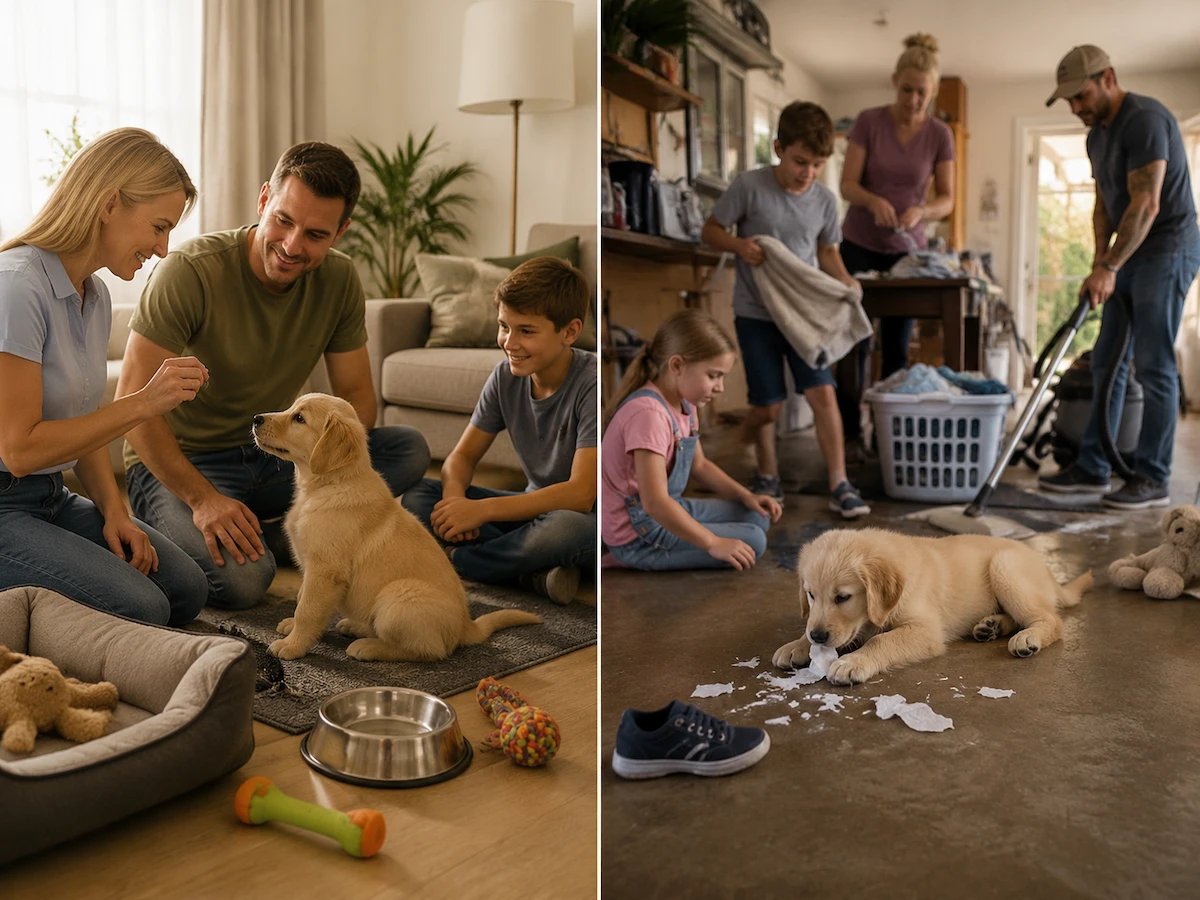
People usually fall for a gorgeous golden pup at the end of the litter, with a soft coat and wiggly tail, and take it home full of excitement. Two weeks later, though, they’ve got a pup that barks at every noise, chews through the furniture, and won’t ease off unless someone is playing with it constantly. The colour was perfect. But the match wasn’t.
Honestly, two pups from the same litter can have completely different personalities. One might be laid back and happy to nap while the kids do their thing. The other might need constant stimulation and company all day long.
In other words, coat colour tells you nothing about which one you’re bringing home. A puppy’s personality is what your family lives with every single day. With that in mind, it deserves just as much attention as those big brown eyes. So, learning how to play fetch with your dog early on helps bring out the best in that personality.
How Temperament Testing Works: A Simple Breakdown
Most people are surprised by how much a short series of simple observations can reveal about a young puppy. In reality, a breeder just needs time, patience, and a good eye for behaviour.
Two areas to look at that tell breeders the most about a puppy’s nature:
1. Observing How Puppies Respond to People
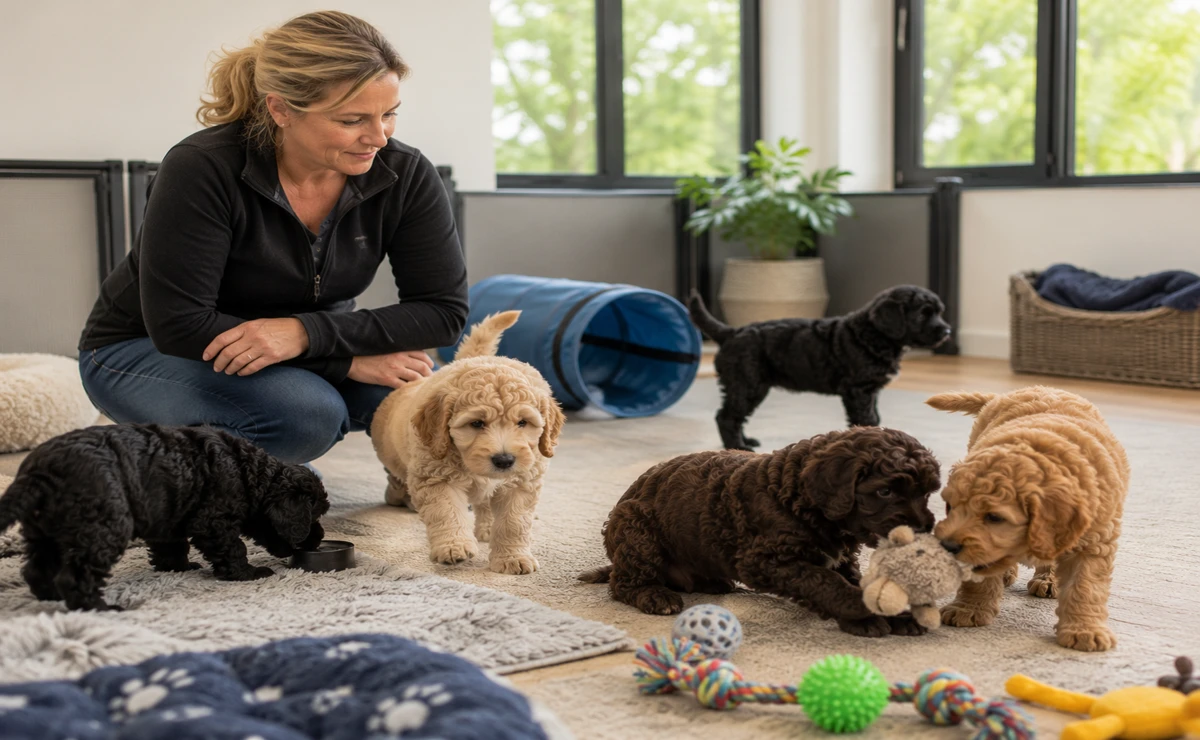
This is where breeders get their first clear read on how a puppy will handle everyday family life. A raiser will crouch down near the litter and watch what happens next (the puppies decide, not the breeder).
Some pups come straight over, tail wagging, ready to climb all over you without a second thought. Others hang back, take a slower approach, and size things up before getting close.
For example, our Pip and Rosie have received plenty of warm human contact from a very early age. So by the time temperament observations began, each pup responded openly during the assessment.
A puppy that engages freely with people likely settles well into busy homes with kids, other pets, and a steady flow of visitors. One that takes a more measured approach often does better in a quieter space, where it can build confidence at its own pace.
2. Reading Energy Levels and Play Behaviour
Play behaviour is one of the clearest ways to see how a puppy will suit your household’s pace. To do this, a raiser should watch how each pup plays with its littermates. One group of pups leads the action and stays active, while others engage more gently and pause between interactions.
Then there’s the moment play gets a bit rough. One pup dives straight back in, another resets while a third hangs back. Those small reactions display energy, resilience, and balance.
Now think about your home. High-energy pups do well in active households with daily walks and constant engagement. On the other hand, calmer pups match quieter spaces with slower routines. The thing is, a mismatch in energy levels is one of the most common reasons dogs develop separation anxiety or excessive barking down the track.
That’s why temperament assessments are about finding the right fit. Small behavioural hints early on can form how smoothly a dog settles into your home. If you’re adding a puppy to your family, getting this match right is important.
Family Dog Breeds and What the Tests Reveal
Breed gives you a starting point, but these assessments fill in what the breed standard leaves out. Two dogs of the same breed can test differently, and that’s completely normal.
Still, across a litter, certain breed traits tend to show up in predictable ways. See how this approach commonly reveals traits across some of the most popular dogs:
- Golden Retrievers and Poodle Crosses: Sweet-natured and great with children, cats, and other animals. These breeds consistently score well for friendliness and adaptability. They’re relatively low-maintenance pets with low-shedding coats that need regular grooming.
- Highly Intelligent with Strong Drive: Border collies, German shepherds, and Australian shepherds often test high in drive and mental demand. They form deep bonds with their owners and respond well to consistent work. Without proper training and mental stimulation, though, that intelligence turns into restlessness pretty fast.
- Small but Full of Character: Toy poodles, Maltese, Shih Tzus, and other smaller breeds often test as affectionate and laid-back. They bring a lot of personality to a small frame and suit apartment living and quieter families well.
To summarise, individual results carry more weight than breed generalisations. Testing each pup separately is what gives families a clear, reliable picture rather than a guess based on reputation alone.
Does Breed Tell You Enough? Golden Retrievers, Border Collies, and More
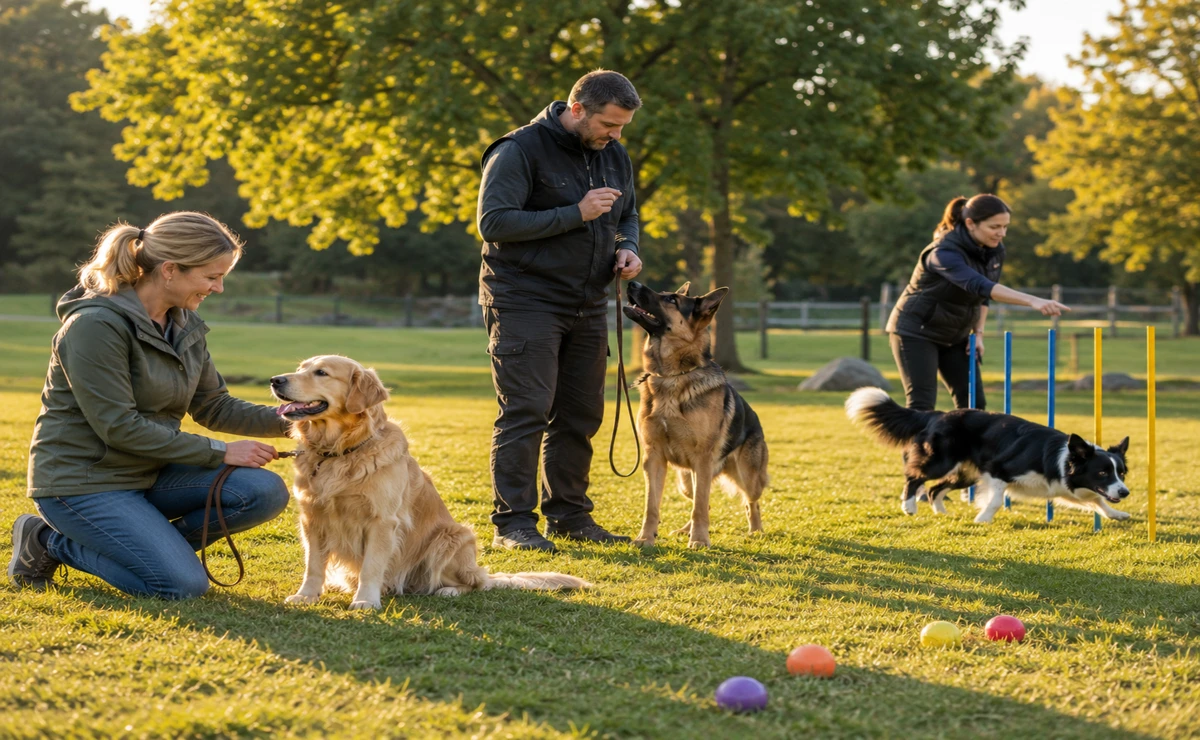
Breed is a useful guide without a guarantee, and the difference shows up once you’re living with the dog. Individual variation within any breed can be significant, and most pet owners don’t expect the gap to be that wide until they’ve lived with it firsthand.
That said, Golden Retrievers have a reputation for being the best family dog going around, and for good reason. However, a poorly socialised Golden can still struggle with other dogs or develop separation anxiety without the right support.
At the higher-energy end, German shepherds and Border Collies are intelligent and loyal. But they need an experienced hand and plenty of ongoing guidance to stay even-tempered.
On the other side, Labrador retrievers sit somewhere in the middle. They’re friendly and easy-going, though their size and energy can surprise first-time owners. Adult dogs of any breed carry the marks of their early environment, so a puppy’s starting temperament is important.
Ready to Find the One? Start with Personality, Not Colour
A well-matched puppy eases in faster, bonds more deeply, and is far less likely to develop anxiety or behavioural problems. That directly reduces issues like separation stress, excessive barking, and difficult settling in the first few months.
Frankly, colour becomes less important once you’re living with a dog whose personality fits your family’s pace and routine. The right pup is always the one that caught your heart first.
When you’re ready to find a new dog that suits your life, Oodle Pups is a good place to start. Every pup is assessed before placement, so you’re not just picking a pretty face from a litter.
Visit us to find the one that’s the perfect fit for your home.
Your Questions Answered: Puppy Temperament and Family Fit
A few questions about puppy temperament tend to come up time and again. Let’s work through the most common ones.
At What Age Can Temperament Testing Be Done Reliably?
Most breeders assess pups around six to eight weeks old. At this age, a puppy’s personality is showing clearly but hasn’t yet been heavily formed by its new home environment.
Can a Dog’s Temperament Change as It Grows?
Yes, it can shift as a dog grows, through puppy school, positive reinforcement training, and early socialisation with other animals and pets. A strong start at a young age influences how a dog will develop.
What Should First-Time Owners Look for in a Family Dog?
Look for a pup that’s curious but not overwhelming, eases off after mild stress, and responds warmly to handling. If you’re not sure, ask your breeder to walk you through what they observed during testing.
And if something more specific comes up, a breeder who does proper temperament testing will always be your best starting point.